Your Questions, Answered
-
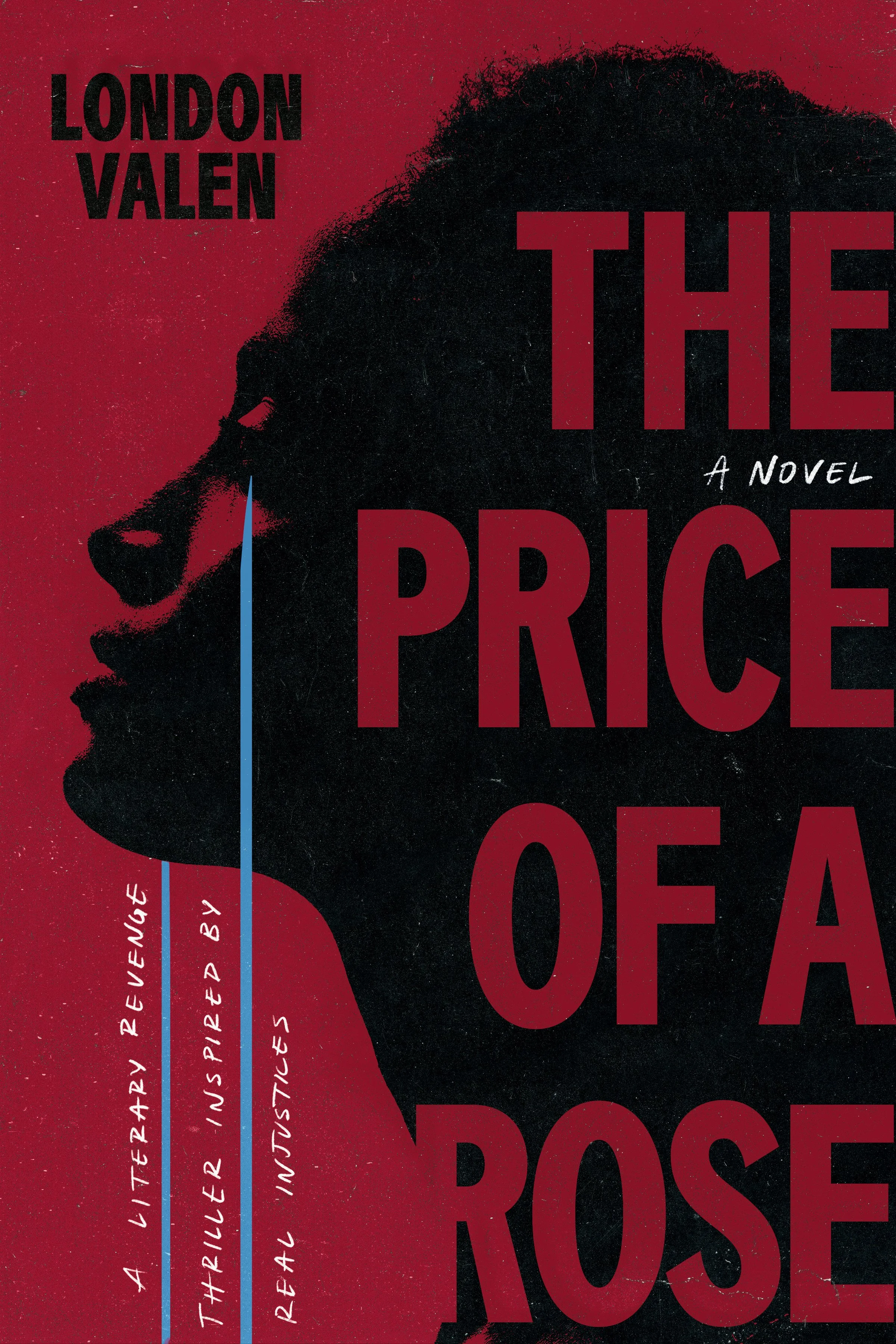
August 5, 2026. The ebook will be available on Amazon Kindle Unlimited. Paperback and hardback copies will be available to over 45,000 retailers, bookstores, libraries, and universities through IngramSpark distribution. I will start a search soon for a voice actor for an audiobook.
-
he most important thing you can do to help make Rose’s story a success is to post or write leave an honest review of the book wherever you discuss and buy books. Post as many times as you like: the more the better.
Posting on social media would be amazing, but it is equally important you write a review and copy/paste it in Goodreads, Fable, Storygraph, or wherever you preorder the book. If you post on social media, please tag @londonvalenauthor on TikTok or Instagram and use the hashtag #thepriceofarose so I can find your content and share it.
Goodreads link: https://www.goodreads.com/book/show/247671247-the-price-of-a-rose
-
I finished the first draft around October 2024, and beta readers started reviewing the book in December 2024. I rewrote it several times since then based on beta reader and editorial feedback.
-
TRIGGER WARNING: This book does not look away. It contains depictions of, and references to, sexual assault and harassment, kidnapping, murder, military and prison violence, trafficking of minors, forced labor, adult illiteracy and its consequences, substance abuse, and racism (including racial slurs used in context). These are documented realities, not entertainment devices, rendered here with the same care and research that informed every other page.
A specific note on sexual violence: while sexual assault occurs throughout this story, I made a deliberate choice never to depict it on the page. Acts of sexual assault are acknowledged (named, referenced, and treated with the gravity they deserve) but not dramatized. What you will find instead are the before and the after: the threat, the institution and people that enables it, and the survival afterwards. However, sexual harassment (unwanted physical contact, coercion, and predatory behavior) is depicted directly, because to omit it would be to sanitize the precise mechanisms of power this book is examining.
If any of these subjects require you to read with caution or to set the book down and return to it, please do. Rose Washington’s story will be here when you come back.
-
No! My job laid me off in fall 2025 purportedly because of AI; so, I have no reason to help AI take opportunities from authors. Moreover, I would NEVER trust AI to author a story about issues so complex, sensitive, and societally important to me and so many. Finally, if I wrote the book using AI, I would have never spent so much time and thousands of dollars in personal expense to revise, edit, and produce the book. I simply would have had AI do all that work (and it would have been sloppy). Simply put, AI cannot create a story this unique and good, and I hope you will agree once you read it.
For full disclosure, the only places I used AI were in places OUTSIDE the drafting of the book. The biggest places were:
1. Generating some of the social media marketing copy (as stated above, I don’t have a real marketing budget);
2. building book launch plan (I refused to pay a hybrid publisher); and
3. Reformatting my research guide (Originally an excel sheet loaded with two years of research used as the basis of the injustices for the book) into a clean word document guide for you.
Finally, I pledge to hire a human voice actor for any potential audiobook production.
-
For context, there are three ways to publish a book:
1. Get a book deal (aka: “traditional” publishing): You pitch your book to literary agents (the gatekeepers to mainstream publishers). If you get an agent, they will develop/edit the story and pitch it to publishers. If the publisher buy the rights to your book, you get a book deal: an initial down-payment (called an “advance”) and a small split of future sales once the publisher pays themselves back. The upside is you pay nothing, get validation as an author by the literary industry establishment, and qualify for the most prestigious literary awards. The downside is you cede all control over book’s production, may not receive enough publisher support to become the success you could, you may never make enough to see money beyond the advance, and you are still personally responsible for marketing the book.
2. Hire a hybrid publisher: hiring a publishing company to publish (and sometimes market) your work. The upside is you get a professionally published book while maintaining all control, but the downside is you must pay the publisher tens of thousands of dollars, and the publisher has no financial incentive to help the book succeed.
3. Self-publishing: You do all the work to publish and market the book yourself. The benefit is you keep all the rights, have full control, and don’t have to share a royalty with a publisher or agent. The downside is you not only have to pay for everything, but you must teach yourself how to publish a book and do it yourself.
In 2025, I tried unsuccessfully to get a book deal. I pitched over 150 literary agents and struck out on all of them.
Afterwards, a friend of mine, who is a production executive at a major studio, told me Hollywood is avoiding optioning all political books to avoid upsetting the Trump Administration. I realized if film/TV would not option THE PRICE OF A ROSE, regardless of the quality, then the literary industry (which is significantly weaker) would avoid my story like the plague.
At this point, I realized the only way my book would get published was if I did it myself. However, I promised myself two things: I wanted it to appear professionally published and for Black women to help me do it. I found my editor, Deborah Balogun, on Reedsy, and my cover/interior designer, Sophia Chunn, on ineedabookcover.com in the fall of 2025 and we have been off to the races since then.